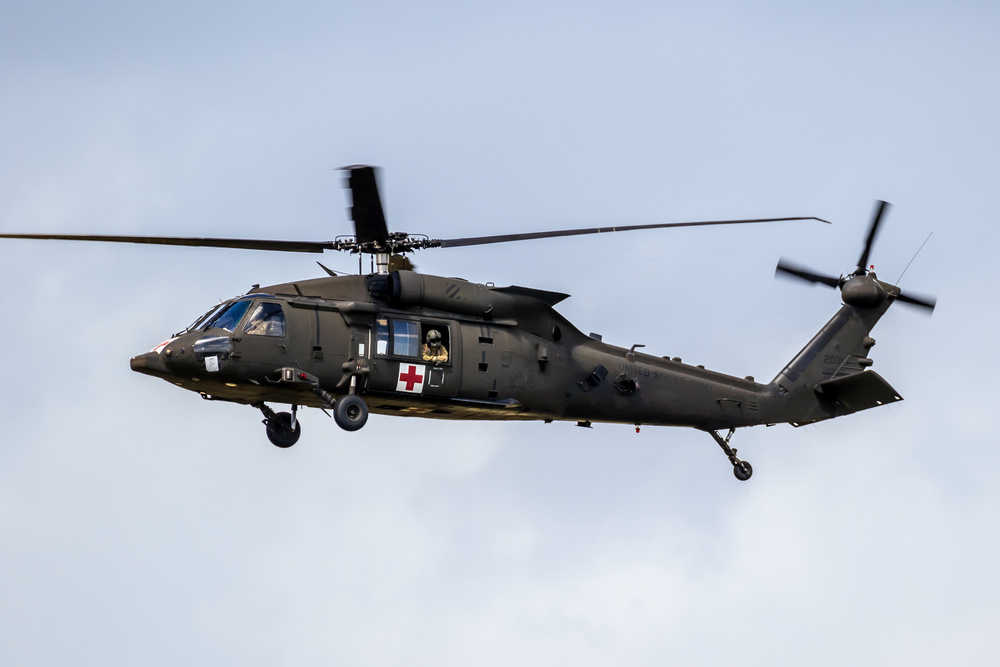
A helicopter used by executives for Monday board meetings could be utilized to rescue accident victims on Tuesday. This is not a futuristic concept; it’s a present reality. Modular systems allow for rapid cabin conversions. They can change aircraft roles from luxury to emergency response quickly.
The Push for Multi-Role Aircraft
Money talks, and idle aircraft burn cash. That VIP transport collecting dust six days a week? Painful. The medical helicopter sitting between emergencies? Expensive paperweight. Smart operators figured out one aircraft could tackle both jobs, plus a few more, if somebody cracked the design puzzle.
Here’s what clicked: buying one shapeshifter beats owning two specialists. Mechanics learn one aircraft inside out. Parts inventory stays manageable. Insurance companies cut better deals. But pulling this off meant tearing up the old rulebook on how interiors attach to airframes.
Government agencies lit a fire under manufacturers. They wanted birds that evacuated civilians Monday morning, flew senators Monday afternoon, then hauled disaster supplies Tuesday. Traditional fixed-interior aircraft couldn’t keep pace. The answer came through treating cabins like LEGO sets: snap out one configuration, snap in another.
Modular Design Systems
Today’s flexible aircraft run tracks along floors and walls. Think model train rails, but beefier. Equipment slides along these rails, clicks into place, then plugs into standardized power ports. Medical gear slides out. Executive seating slides in. The modules pack a serious punch. Medical units stuff ventilators, heart monitors, and pharmacy-grade drug lockers into compact packages. Aircraft interiors (VIP) modules bring conference tables that fold from walls, beds that disappear into cabinetry, communication gear rivaling situation rooms. Cargo setups offer reinforced floors and enough tie-down points to secure a rhinoceros. Each module passes certification solo, which speeds up paperwork considerably.
Quick swaps extend past furniture. Oxygen lines couple through mistake-proof fittings; you literally can’t connect them wrong. Radio panels flip between encrypted military channels and civilian bands. Cabin lights shift from operating-room bright to first-class cozy. The bird becomes whatever you need, when you need it.
Engineering Challenges and Solutions
Building shapeshifters sounds great until physics crashes the party. Weight balance goes crazy between configurations. Three patients with medical gear weigh nothing like eight executives with luggage. Cargo stacks wherever it fits. Engineers cooked up fuel systems that shift loads automatically, keeping the aircraft balanced no matter what’s inside.
Power hunger varies wildly between missions. Medical gear sucks electricity like Vegas at midnight. VIP electronics demand clean, stable current, or they throw tantrums. Cargo runs might need zero cabin power. Solution? Multiple electrical systems, each tuned for different appetites. Smart boxes route juice where needed, no rewiring required.
Then there’s protection. Some missions fly through neighborhoods where unfriendly folks carry unfriendly hardware. LifePort builds military aircraft ballistic protection that plays nicely with modular designs, letting operators bolt on armor for dicey missions then remove it for routine flights. A civilian bird becomes combat-ready in an afternoon.
Regulators nearly killed the whole concept early on. They wanted to inspect every possible configuration, which was an impossible task. Manufacturers fought back with standardized mounting points strong enough for any approved module. Regulators bought it. Crisis averted.
Conclusion
Flexible aircraft own tomorrow. Single-purpose birds wasting space on tarmacs? That movie’s over. Today’s platforms morph from boardrooms to emergency rooms to cargo bays based on whoever calls first. This shapeshifting act saves money while expanding possibilities. Each month brings slicker modules cramming more capability into tighter spaces. Operators keep dreaming up wild new combinations. The industry pivoted from specialized to adaptable fast, shoved by tight budgets and pulled by clever engineering. The old labels of VIP transport, air ambulance and cargo hauler mean less each year. Why choose when one aircraft handles everything?