Magnetic Resonance Imaging (MRI) has become one of the most advanced and valuable diagnostic technologies in modern healthcare. It provides highly detailed images of internal organs, tissues, muscles, blood vessels, and other anatomical structures, enabling healthcare professionals to identify and evaluate a wide range of medical conditions with remarkable accuracy.In the opinion of Kasey McKillip, even though MRI technology itself is sophisticated and powerful, the quality and effectiveness of every examination depend heavily on the attention to detail demonstrated by the healthcare professionals involved in the imaging process.
Kasey McKillip Talks About Why Attention to Detail Is Critical in MRIs
Every stage of an MRI examination, from patient preparation and safety screening to image acquisition and quality assessment, requires careful observation and strict adherence to established protocols. Even seemingly minor oversights can affect patient safety, compromise image quality, delay diagnoses, and increase operational costs.
One of the most important reasons attention to detail is essential in MRI relates to patient safety. MRI systems operate using extremely powerful magnetic fields that remain active continuously. Unlike many other medical devices, these magnetic fields can interact with metallic objects and certain implanted medical devices, creating potentially dangerous situations if appropriate precautions are not taken.
Before an MRI examination can begin, healthcare professionals must conduct a thorough patient screening process. This involves gathering detailed information regarding the patient’s medical history, previous surgeries, implanted devices, and possible exposure to metallic materials. Every question asked during this process serves a specific purpose in identifying factors that could affect the safety of the procedure. Patients may not always remember every surgical procedure they have undergone or may be unaware of the materials used in implanted medical devices. As a result, healthcare providers must carefully verify information and review documentation whenever necessary. Attention to detail during this stage helps identify potential risks before they become serious safety concerns.
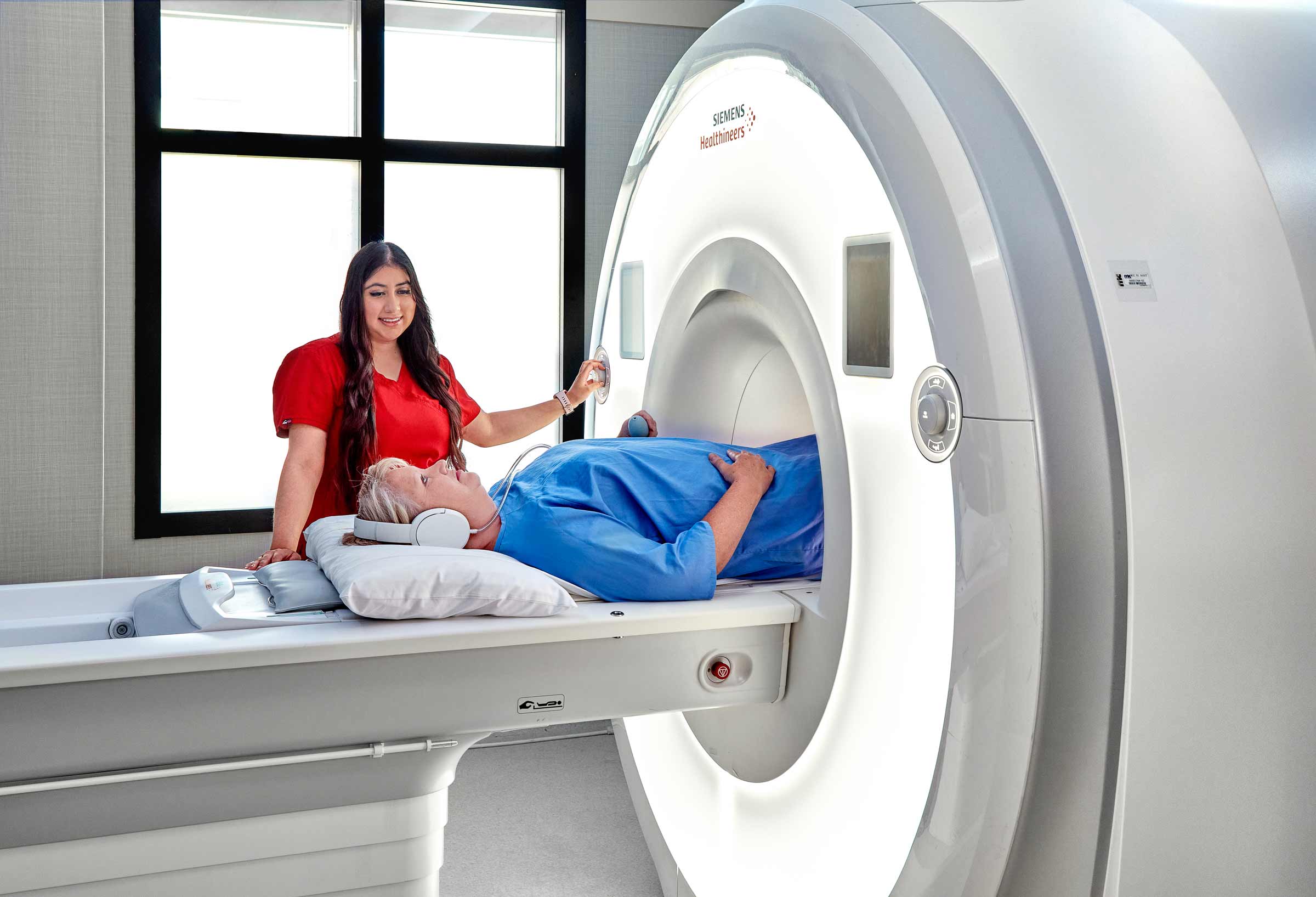
Attention to detail plays a direct role in determining the quality of MRI images. Even the most advanced imaging system cannot produce optimal results if proper techniques are not followed throughout the scanning process. Patient positioning is one of the most critical aspects of image acquisition. Accurate positioning ensures that the anatomical area being examined is properly aligned within the scanner and that the resulting images provide the information needed for diagnosis. Small positioning errors may affect image consistency, reduce visualization of important structures, or make comparisons with previous examinations more difficult.
As per Kasey McKillip, healthcare professionals must also pay close attention to patient comfort and stability during the scan. MRI examinations often require patients to remain motionless for extended periods. Even slight movements can create image distortions known as motion artifacts. These artifacts may obscure important findings, reduce diagnostic confidence, and occasionally render images unusable.
To minimize movement, MRI technologists must provide clear instructions, answer patient questions, and ensure that individuals are positioned comfortably before scanning begins. Establishing effective communication and creating a supportive environment helps patients remain relaxed and cooperative, resulting in higher-quality images and more successful examinations.